
Ecosystem Notes #21
Social Leadership Daily - Day #844

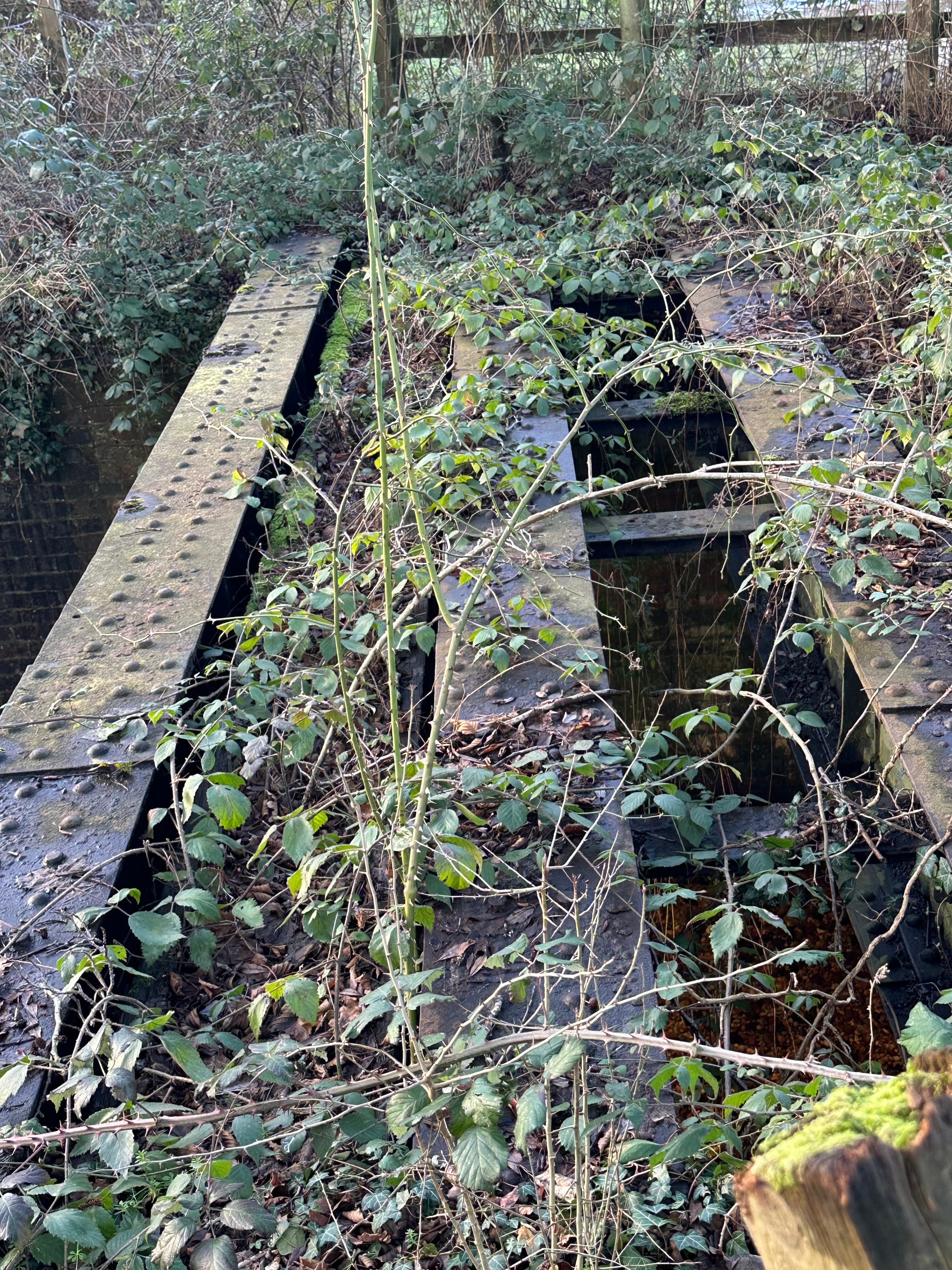
The forest contains both bridges, and the bones of bridges. To my knowledge, all of the bridges within this landscape are either what may be termed ‘gravity bonded’, or ‘arches’. To be gravity bonded means that someone has simply built two buttresses, and laid something rigid between them (a wooden, steel or concrete beam). Whilst bolted, or pegged, it is essentially gravity that holds it in place, and the strength (of the material, with wood, and the ‘I’ beam cross section of steel) that takes the weight and transfers it to laterally to the buttress. An arched bridge converts the vertical load (the weight) into lateral thrust, so for these types of bridge it’s important that the buttresses, or end points, can’t be ‘pushed apart’. Beams push down, arches push apart. There are no fancy suspension bridges here, or cantilevers. This is honest engineering, for utility, not a grand cityscape or commemorative affair.
Arched bridges tend to persist, because the structure is incredibly strong. Up to a limit, the heavier the materials, or load, the more tightly the whole thing is held together. Beam bridges also persist, until the wood rots or the buttress collapse, or the steel rusts.
In our walk down the old railway line, we saw the bones of the beam bridge: two brick casements, filled with sand, but now collapsing, and emptying their loads. The bridge itself long gone. Further down the track bed the find the iron beams still in place, but the wooden sleepers and rails long gone. Further yet, we can cross the old tack bed on an intact beam bridge, so encrusted and overgrown that it feels fully rooted in the landscape. Immobile, immovable.
Bones and bridges. Traces and shadows.
When we seek ‘boundaries’ we will come back to bridges: the things that span them.